
REVIEW · YEREVAN CITY TOURS
Museum of Illusions Tour
At Gyumri’s Museum of Illusions, your eyes get a friendly workout. More than 60 interactive exhibits twist your sense of size, color, movement, light, and perspective, while a local guide helps explain why your brain gets fooled. It is part science lesson, part photo playground.
I especially like two things here. First, the guide-led format gives the exhibits more meaning than a quick walk through a room of odd pictures. Second, the staff actively help with photos and pose ideas, so you can leave with more than a few blurry snapshots. The main consideration is time: the visit may last only 45 minutes, though a careful, playful group can spend up to 90 minutes inside.
Key points to know
- More than 60 illusions: Expect tricks involving mirrors, shadows, color, movement, shapes, and apparent changes in size.
- A guide explains the science: You get time to test each exhibit yourself, then learn how the effect works.
- Strong choice for families: Children can take part, and the exhibits suit a wide range of ages.
- Photo-friendly visit: Staff can suggest funny poses and help you make better use of the displays.
- Easy city stop: The museum is a short walk from Gyumri’s main square and near public transportation.
- Good value at $12: The price covers admission and the guided experience, with free cancellation up to 24 hours ahead.
Inside Gyumri’s playful science museum
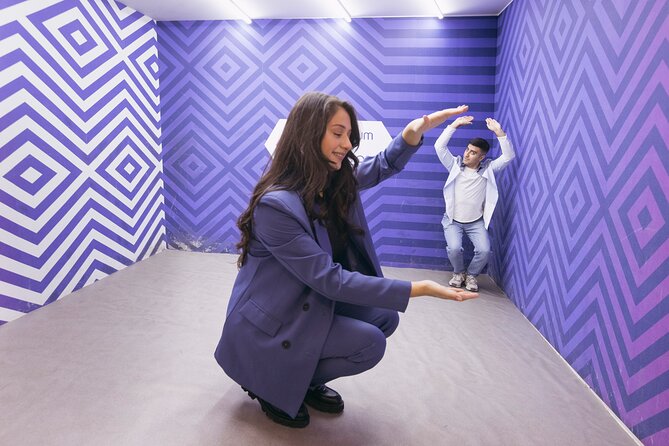
This is not a conventional museum where you quietly look at objects behind glass. At the Museum of Illusions, the point is to interact, test your eyes, laugh at the result, and then ask why it happened.
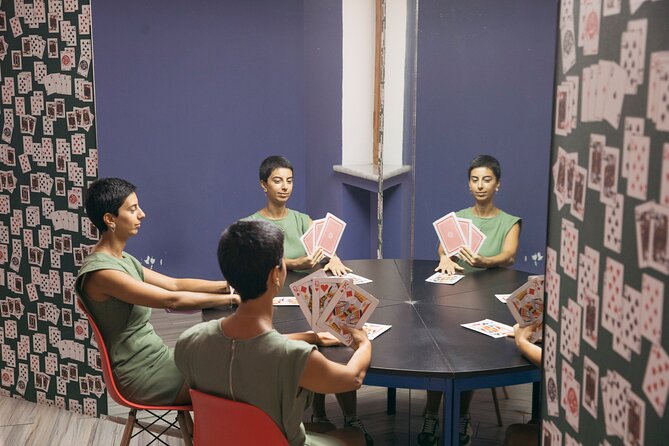
The exhibits play with basic parts of human perception. Light and shadows can make ordinary objects seem different. Mirrors can multiply your image or make a room feel unlike the space you entered. Color, movement, shapes, and scale can all push your brain toward the wrong conclusion.
That combination matters. A simple optical trick can be entertaining for a few seconds, but the guide’s explanation gives it a second life. You first see the illusion, then try to work out its secret, and finally learn the science behind the effect. It is a small but satisfying cycle of surprise, guessing, and understanding.
You do not need a background in science. The experience is designed to be clear and hands-on. If you are visiting with children, you can let them experiment first instead of immediately giving them the answer. If you are an adult visiting alone or with friends, the exhibits still provide plenty of reasons to stop, look twice, and take a photo.
More city walks and sightseeing in Armenia
- Group Tour: Gyumri (Urban Life museum, Black fortress, old town), Harichavank
★ 5.0 · 280 reviews - Armenia. Akhpat, Dilijan, Sevan, cascad Yerevan from Tbilisi
★ 4.7 · 254 reviews - Group Tour: Sightseeing in Yerevan, Erebuni Museum and Fortress
★ 5.0 · 42 reviews
What happens during the 45 to 90 minute visit

Your visit begins at the Museum of Illusions Gyumri, where admission is included in the $12 price. A local guide leads you through the displays rather than leaving you to find your way around without context.
The timing is flexible within the stated range. A quick visit may take about 45 minutes, while a group that tries each activity, takes photos, and asks questions may stay closer to an hour and a half. That makes this an easy addition to a day in Gyumri. It is substantial enough to feel like a real activity, but short enough to fit between other city stops.
At each exhibit, you have a chance to look closely and test the effect. The guide then explains the trick and the science behind it. You should expect a mix of visual puzzles and interactive moments rather than a formal lecture.
This format also works well for mixed groups. One person may enjoy the photography, another may want the explanation, and a child may simply want to see what happens when they stand in the right place. The museum gives each person a different way to take part.
The illusions: mirrors, movement, and mistaken scale
The exact order of the exhibits is not specified, but the experience covers several kinds of visual deception. You can expect displays built around light, shadows, color, movement, sizes, and shapes.
Mirrors are a major part of the appeal. They invite a second look and create the kind of visual confusion that works especially well in photographs. They also show how quickly your brain accepts an image before checking if it makes sense.
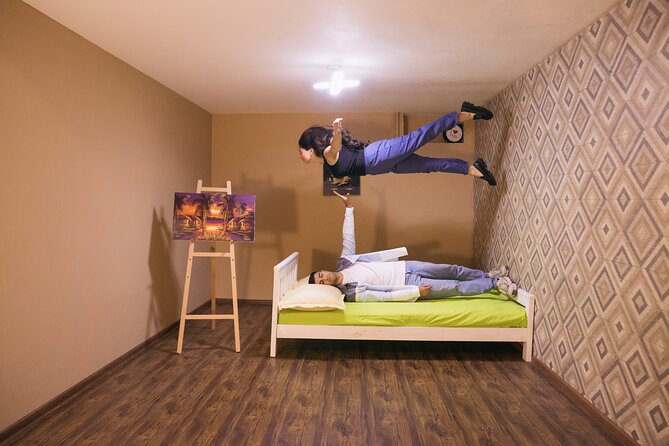
Other displays may make objects appear to float, change size, or sit in places they cannot logically occupy. The important point is not just the final effect. You get to notice how your position, angle, and expectation affect what you see.
Give yourself permission to be fooled. That is the whole point. Trying to defeat every illusion immediately can make you rush. A better approach is to look first, take a photo second, and listen to the explanation third. You will enjoy the visit more if you let each exhibit surprise you before searching for the mechanism.
The science is kept practical. You are not asked to master technical terms. Instead, the guide connects the exhibit to the way your eyes and brain process information. This makes the museum useful for children who are beginning to ask how things work, and for adults who enjoy discovering that everyday vision is less reliable than it feels.
Why the guide makes a difference
The guide is one of the most important parts of this activity. Without explanations, an illusion can become a quick photo stop. With a guide, the museum becomes a sequence of small experiments.
The team named in the experience information includes Emily, Anushik, Ruzanna, Seda, Samvel, Anush, and Emilia. You may not have every one of them during your visit, but the guiding approach is clear: staff answer questions, explain the exhibits patiently, and help you find good ways to photograph the effects.
That last point is practical. Illusion exhibits often depend on where you stand and how the camera is held. Staff can suggest the right angle or a funny pose, which saves you from taking a dozen nearly identical photos. If you are visiting with family or friends, ask the guide to help stage a group picture.
The staff also help keep the mood relaxed. This is not a place where you need to worry about giving the right answer. Guessing wrong is part of the fun. A guide who lets you try first, then explains the result, makes the activity feel welcoming rather than like a school test.
If you have a question about one of the effects, ask it. The experience specifically allows time for questions, and the educational side is stronger when you connect the trick to something you noticed yourself.
A few more days worth the drive from Armenia
- Yerevan Card Including Free 30+ Museums, 5+ Tours & Discounts
★ 5.0 · 91 reviews - Private Yerevan City Tour: Erebuni, Matenadaran & Tsitsernakaberd Museums
★ 5.0 · 34 reviews
A good stop for families and photo lovers
Families with children around seven and ten can take part comfortably, according to the available experience details. That does not mean every exhibit will interest every age equally, but the broad mix of visual tricks gives children plenty to explore.
For parents, the museum offers a useful balance. It is playful enough to hold attention, yet it gives children a reason to think about perception and science. You can turn the visit into a small challenge by asking your children to predict what will happen before they try an exhibit.
Couples and groups of friends will find a different appeal. The displays create easy photo opportunities, and many effects work best when two or more people interact. You may want to take turns: one person tests the illusion, one takes the photo, and one checks the angle.
Solo visitors can also enjoy the museum, though photography may take a little more planning. The staff can help with photo ideas, and the guided format means you are not dependent on having a large group to make the exhibits worthwhile.
This is also a helpful indoor choice when you want a break from walking around Gyumri. It is a short walk from the main square and near public transportation, so it can fit naturally into a city day without requiring a separate long trip.
The photo factor, with a practical warning
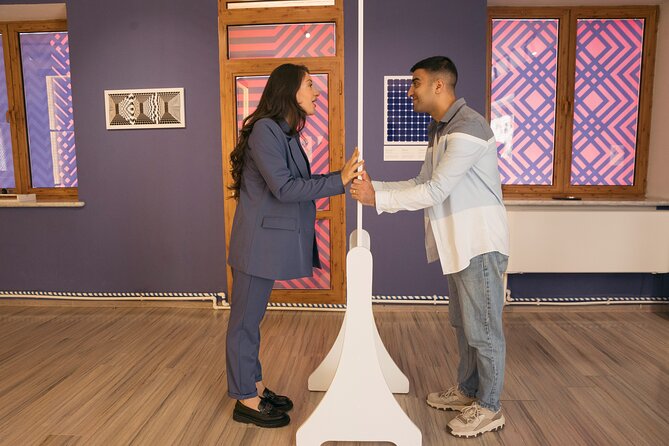
You will find plenty of material for amusing photos. Levitating-object effects, unusual mirrors, altered proportions, and perspective tricks can produce images that look far stranger than the setup feels in person.
The staff’s photo suggestions are especially useful. Ask them to show you how to stand, where to place a phone, or how to include more than one person in the frame. A small adjustment can make the difference between a clear illusion and a confusing picture that does not show what happened.
Still, do not let the camera take over the visit. If you photograph every exhibit before looking at it, you may miss the best part. I would take one quick image, put the phone down, and then listen to the explanation.
The museum is clean and professionally operated, according to the details available, which matters when you are handling interactive displays. Service animals are allowed, and most people can participate. Specific exhibit-by-exhibit accessibility information is not provided, so if you need particular accommodations, contact the provider before booking.
Is $12 a fair price?
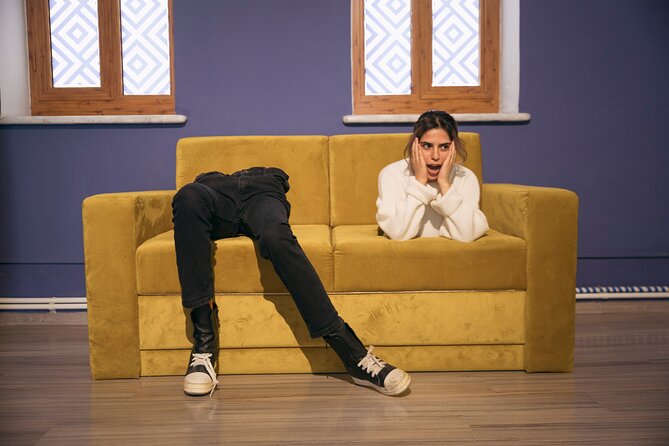
At $12 per person, this is a reasonable paid activity, especially because the price includes admission and a guide. You are not paying simply to enter a room and read signs. You are paying for access to more than 60 exhibits, explanations of the science, and help creating photos.
Value depends on how you use the time. A group that rushes through in 30 minutes would get less from the visit, though the stated duration is about 45 minutes to 1 hour 30 minutes. If you take part fully, ask questions, and try the exhibits more than once, the price feels easier to justify.
The strongest value comes for families and groups. One admission fee gives everyone a shared activity, and the exhibits encourage conversation. You can compare what each person sees, laugh at the failed guesses, and leave with a set of group photos.
For a solo visitor, the value is more personal. You are buying a compact, guided experience that combines entertainment and science. It may not fill half a day, but it can be a lively break from sightseeing for a modest cost.
The high recommendation rate and perfect overall rating shown in the supplied details point to broad satisfaction, particularly with the friendly staff, clear explanations, family appeal, cleanliness, and photo help. Those strengths are more meaningful than the rating alone because they describe what you actually receive on site.
Timing, location, and booking details
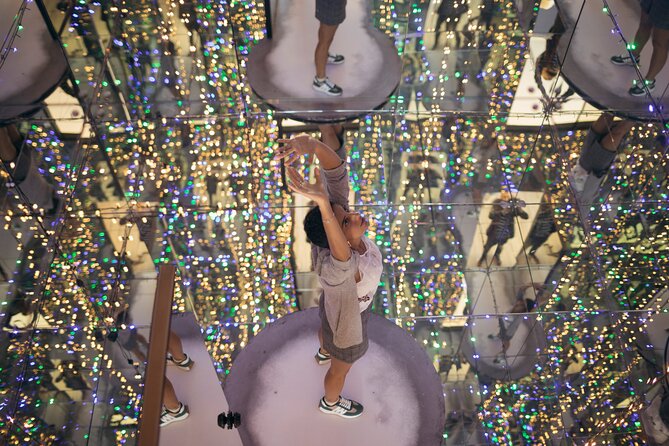
The museum is in Gyumri, a short walk from the main square. That makes it simple to pair with central sightseeing, a meal, or a general walk through the city. It is also near public transportation, so you do not need to plan a complicated transfer.
A mobile ticket is offered, and confirmation arrives when you book. The activity is offered in English. If English is important for your group, this is a useful detail because the science explanations are a core part of the visit.
The experience has free cancellation if you cancel at least 24 hours before the scheduled start time. A cancellation inside that window is not refunded, and changes made less than 24 hours before the start are not accepted. The cut-off follows local time in Gyumri.
Plan your visit around the full possible duration rather than the shortest estimate. Forty-five minutes may be enough for a brisk walk through the main effects, but 60 to 90 minutes gives you room for photos and questions without feeling hurried.
Who should book this Gyumri activity?
I would put this near the top of the list for families, especially if you want an activity that works for both children and adults. The hands-on displays give children something to do, while the explanations add enough substance for parents.
It also suits couples and friend groups who want playful photos without committing to a long tour. The museum is an easy city-center stop, and the guide can help turn the exhibits into a shared activity rather than a series of individual snapshots.
Science-minded visitors will appreciate the explanations, but you do not need to be fascinated by physics or perception to have fun. The museum is built around immediate visual surprises, so the entertainment arrives before the lesson.
You may want to skip it if you dislike optical illusions, have no interest in taking part, or prefer museums focused on art, archaeology, or local history. This is a focused attraction, not a broad survey of Gyumri. Its strength is playful perception, and that is exactly what you get.
Should you book the Museum of Illusions Gyumri?
Yes, if you want a short, affordable activity with a local guide, plenty of photo opportunities, and enough science to make the fun feel worthwhile. The staff, including guides such as Emily, Anushik, Ruzanna, Seda, Samvel, Anush, and Emilia, are a key reason the visit works so well.
Book it as a 45 to 90 minute stop near the main square, and leave room to experiment rather than rushing from exhibit to exhibit. At $12, it is a sensible pick for families, couples, groups, and anyone looking for a lighter change of pace in Gyumri.
FAQ
Where is the Museum of Illusions located?
The Museum of Illusions is in Gyumri, Armenia, a short walk from the city’s main square.
How much does the experience cost?
The price is $12 per person.
How long does the visit take?
The visit takes approximately 45 minutes to 1 hour 30 minutes, depending on how much time you spend trying exhibits, taking photos, and asking questions.
Is admission included?
Yes. The admission ticket is included in the experience.
Is the tour offered in English?
Yes. The experience is offered in English.
How many exhibits are there?
The museum has more than 60 illusion exhibits.
Is this activity suitable for children?
Yes. Most people can participate, and the experience is described as suitable for families. Children around seven and ten have been able to enjoy the exhibits.
Can I take photos inside?
Yes. The exhibits are designed for fun photos, and the staff can suggest ideas for poses and camera angles.
Are service animals allowed?
Yes. Service animals are allowed.
Can I cancel for a full refund?
Yes, if you cancel at least 24 hours before the scheduled start time. Cancellations made less than 24 hours in advance are not refunded.
Just added in Armenia
- Khor Virap, Areni, Noravank, Tatev (ropeway) Self-Guided★ 5.0 · 4 reviews
- Amberd (Saghmosavank,Armenian alphbet monument)★ 5.0 · 5 reviews
- Yerevan: Khor Virap Day Trip with Mount Ararat Wine Tasting★ 5.0 · 10 reviews
- Garni Temple and Geghard Monastery – private tour from Yerevan – 4 hours★ 5.0 · 8 reviews
- Khor Virap, Garni, Geghard,Azat Reservoir Highlights:Private tour★ 4.5 · 11 reviews
- Private transfer from Yerevan to Tbilisi or Vice Versa★ 5.0 · 14 reviews
- Winemaker’s Table: Areni Cliffs★ 5.0 · 11 reviews
- Day trip to Sevan, Tsaghkadzor, Fish Making Masterclass★ 5.0 · 8 reviews
Yerevan City Tours, compared.

Group Tour: Gyumri (Urban Life museum, Black fortress, old town), Harichavank
Read our review →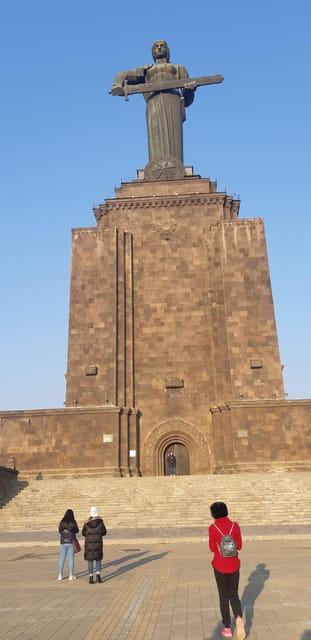
Armenia. Akhpat, Dilijan, Sevan, cascad Yerevan from Tbilisi
Read our review →
Group Tour: Sightseeing in Yerevan, Erebuni Museum and Fortress
Read our review →
Yerevan city tour with drinks in a classic car with photography
Read our review →
Private Yerevan City Tour: Erebuni, Matenadaran & Tsitsernakaberd Museums
Read our review →

Walking Yerevan City Tour with 5 Wine & 10 years-old brandy
Read our review →Browse the lists this tour appears in