
REVIEW · ARMENIA
Paint Your Own Traditional Doll
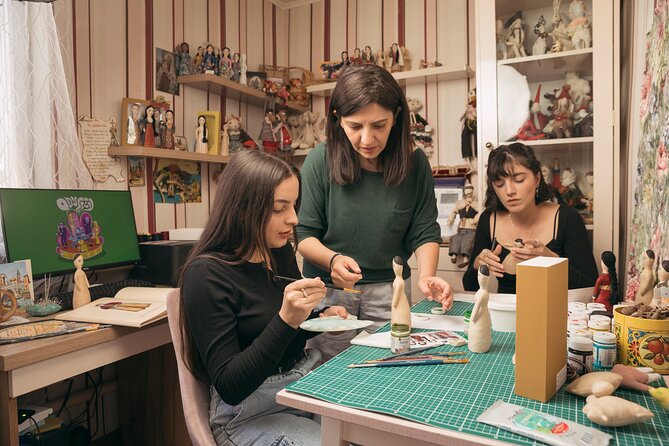
A blank plush doll becomes your own small piece of Armenia in this hands-on class with Narine, a professional doll maker in Gyumri. You choose a taraz, the traditional Armenian costume, sketch its design, paint it, and add small accessories while learning about regional dress and miniature painting.
I like the freedom to follow a real costume or invent something new. I also like the calm setting, with coffee, tea, snacks, and light music while you work. The main thing to consider is that this is a creative workshop, not a sightseeing tour, so you need to enjoy sitting down and making something with your hands.
Key points to know before you book
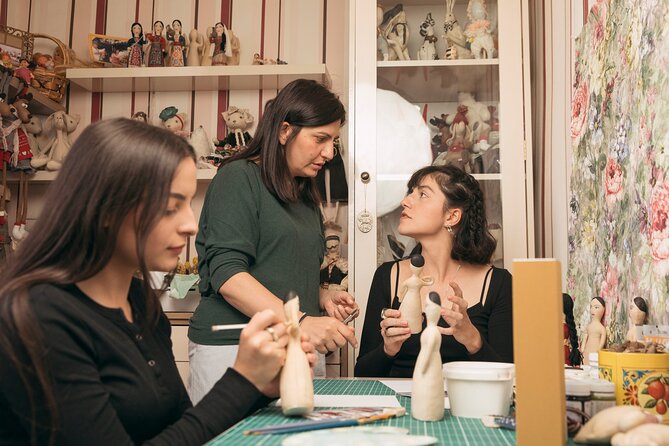
- Choose from regional Armenian costumes: Browse Narine’s collection of taraz designs before deciding how your doll will look.
- Paint with traditional techniques: You receive step-by-step guidance inspired by Armenian miniature painting.
- Make more than a doll: While the paint dries, create accessories such as belts, hats, jewelry, tools, and other small additions.
- Private two-hour activity: Only your group participates, which gives the class a personal feel.
- A useful Gyumri souvenir: You take home a handmade object connected to Armenian culture rather than a mass-produced keepsake.
- Simple booking terms: The activity is offered in English, accepts mobile tickets, and allows free cancellation up to 24 hours before the start time.
Why this Gyumri workshop feels different
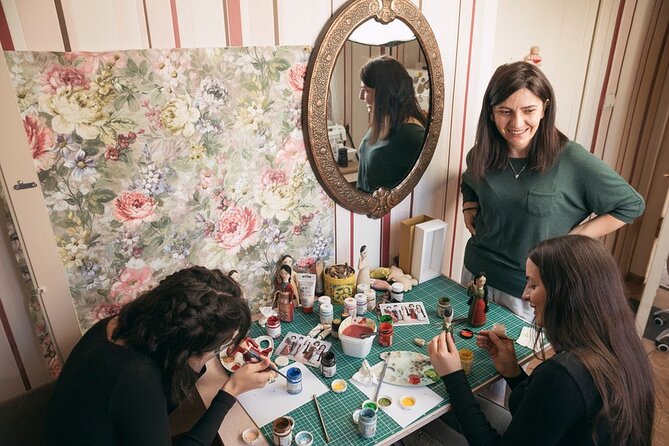
Gyumri is known as Armenia’s cultural capital, and this class gives you a quiet way to meet that creative side of the city. You are not simply buying a doll dressed in Armenian clothing. You are making decisions about the costume, colors, patterns, and accessories yourself.
That difference matters. A ready-made souvenir can remind you of a trip, but a handmade doll also reminds you of the choices and small mistakes that went into making it. You leave with something personal, and the process gives you a better sense of how Armenian clothing uses color and decoration.
The class is private, so only your group takes part. I see that as a strong advantage for couples, families, friends, or solo visitors who want direct help without a larger class moving at a fixed pace. You can ask questions, take your time with a design, and receive guidance suited to your own skill level.
The activity lasts about two hours. That is long enough to create a finished project, but short enough to fit into a day of exploring Gyumri. You should still allow a little extra time around the scheduled start and finish, since painting and drying times can vary.
More Tours in Armenia
- Group Tour: Garni, Symphony of Stones, Geghard, Lavash Baking
★ 5.0 · 1,042 reviews - Group Tour: Lake Sevan (Sevanavank), Dilijan (Goshavank, Haghartsin)
★ 5.0 · 1,036 reviews - Group tour: Khor Virap, Noravank, Areni Winery and Cave
★ 5.0 · 651 reviews
Starting with the taraz collection
The first real decision is choosing your doll’s costume. Taraz refers to traditional Armenian dress, and the collection includes costumes from different regions of Armenia. This gives the opening part of the class more meaning than simply picking a color from a chart.
You can browse the designs and choose the one that speaks to you. If you already know something about Armenian regions or clothing, you may enjoy comparing the styles. If you do not, Narine can help you understand the choices as you work.
I like this beginning because it connects the craft to Armenian culture before you pick up a paintbrush. The doll is not an empty craft project with random decoration. Its clothing has a cultural starting point, even if you later change the colors or invent your own ornaments.
Do not feel that you must make a museum copy. You can stay close to the traditional design, or use it as a starting point for a fresh look. That flexibility makes the class suitable for people who like careful historical detail and for those who would rather experiment.
Sketching the costume onto a blank doll
Once you choose a costume, you sketch the design directly onto a blank plush doll. This is where the activity becomes personal. You decide how the costume will sit on the doll and which details deserve the most attention.
The sketching stage also helps you avoid rushing into paint. You can think through the main colors, ornaments, and arrangement before committing to the final surface. Narine guides you step by step, which is useful if you are not confident at drawing.
I would treat this part as planning rather than testing your artistic talent. The goal is not to produce a perfect illustration. It is to create a doll that reflects the costume you selected and the choices you want to make.
Because the doll is plush, this is not the same as painting a flat piece of paper. Small areas may require patience, and detailed patterns may take care. The supplied information does not promise a particular level of finish, so you should expect a handmade result rather than factory precision.
That is part of the appeal. A small uneven line can become part of the story of your souvenir. Narine’s calm, step-by-step approach should help keep the process relaxed instead of turning it into a race against the clock.
Painting with Armenian miniature techniques
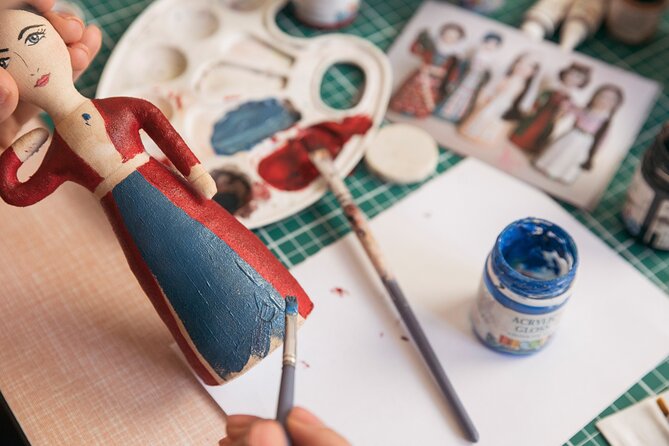
The main craft lesson uses techniques connected with ancient Armenian miniature painting. Narine guides you through the painting process, showing you how to apply the design and colors to your doll.
The phrase miniature painting matters here because the work is on a small scale. You are dealing with fine decorative details rather than large, broad brushstrokes. The class offers an introduction to the look and method of this art form, but you should not expect to become a master painter in two hours.
You can use traditional ornaments and colors, or create a design that is entirely your own. This balance is one of the best features of the activity. The traditional elements give you a clear starting point, while the creative option means the finished doll does not have to look like everyone else’s.
I would suggest deciding early whether you want a faithful regional costume or a more imaginative design. Neither approach is better. A careful copy may appeal to someone interested in Armenian dress, while a family with children might prefer bright colors and playful accessories.
The class is offered in English, so you can receive instructions and ask questions in that language. The private format should make it easier to pause when you need help with a small detail.
Same kind of day, a different corner of Armenia:
- Yerevan: Garni, Geghard, Symphony of Stones & Lavash Baking
★ 5.0 · 589 reviews - Group Tour: Tsaghkadzor (Kecharis, Ropeway), Lake Sevan, Trout barbecue treat
★ 5.0 · 511 reviews - Group Tour: Khor Virap, Noravank, Tatev monasteries (wayback on Ropeway)
★ 5.0 · 506 reviews - From Yerevan:Sevan, Dilijan, Haghartsin, Goshavank, Lake Parz
★ 4.5 · 454 reviews
The quieter pace of coffee, tea, and music
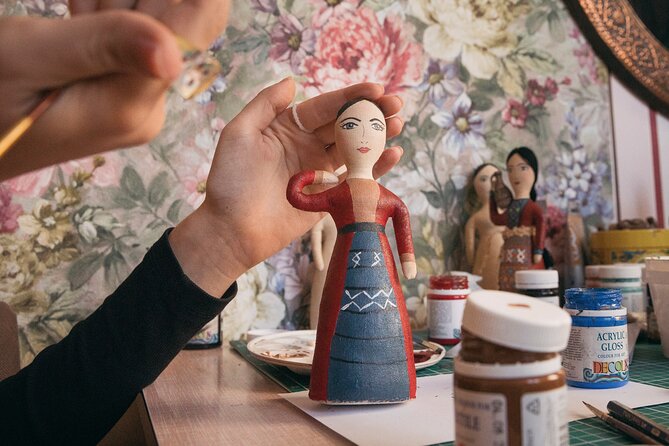
The atmosphere appears designed for careful work rather than quick production. Coffee, tea, snacks, and light music are included in the setting described for the class. Those details may sound small, but they matter when you are concentrating on tiny painted areas.
I like workshops that leave room to talk and work at the same time. This setting gives you a chance to ask Narine about the costume, the painting method, or the choices in your design without feeling that you must hurry from one station to another.
The calm mood also makes the activity a good break from walking around Gyumri. After several hours on city streets, sitting down with a warm drink and a creative task can be a welcome change.
Still, this atmosphere may not suit everyone. If you want a fast-paced activity with constant movement, this class could feel slow. It is best for you if the making is part of the enjoyment, not just a way to receive a souvenir.
Making accessories while the paint dries
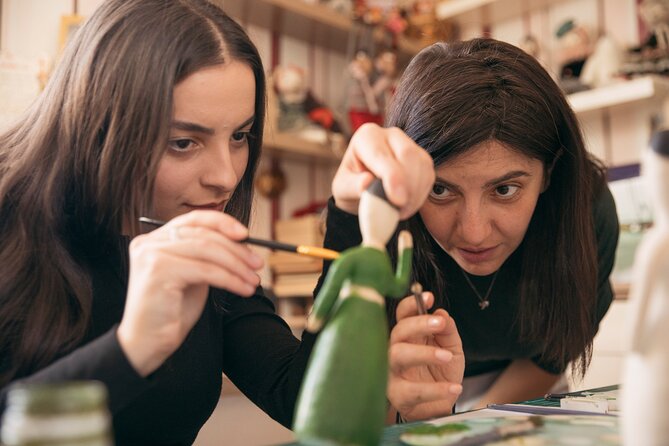
The class does not stop when the main painting is finished. While your doll dries, you and Narine create custom accessories. The examples include belts, hats, jewelry, tools, and more.
This is a smart use of drying time. Instead of waiting with nothing to do, you continue shaping the doll’s identity. Accessories can also add clues about the character you want your doll to represent.
A belt or hat may reinforce the traditional costume. Jewelry can add a decorative touch, while a tool can suggest a trade or daily activity. The exact accessory choices are left open, so you have room to build a small character rather than just decorate clothing.
This part may be especially appealing to families and creative adults. Children can focus on simple, recognizable additions, while adults may enjoy making the details fit the regional costume. The information provided does not specify the full range of materials or how many accessories each person makes, so the final amount of extra work may vary.
The drying period also gives you a natural stopping point for the painting. You can look at the doll as a whole, decide if it needs another color, and then finish the small details without abandoning the project.
What the $26 price includes in practical terms
At $26 per person, the value depends on what you want from a Gyumri activity. This is not simply an entrance ticket or a short demonstration. The price covers a private, guided craft session lasting about two hours, the chance to select from a collection of taraz costumes, instruction in the painting process, and a doll you create and take home.
You are also paying for direct time with a professional doll maker. That personal instruction is important because painting a small plush figure could be frustrating without help. Narine’s step-by-step approach gives the activity structure while leaving you control over the final design.
The price looks strongest for anyone who values a personal souvenir and an activity with cultural context. If you only want to see Gyumri’s major sights, you may prefer to spend two hours elsewhere. If you want to make something connected to Armenia, $26 is a reasonable price for a private creative session.
The included coffee, tea, snacks, and music add comfort, but I would not book the class for refreshments alone. The real value is the combination of instruction, materials, personal attention, and the finished doll.
Who will enjoy this private class most
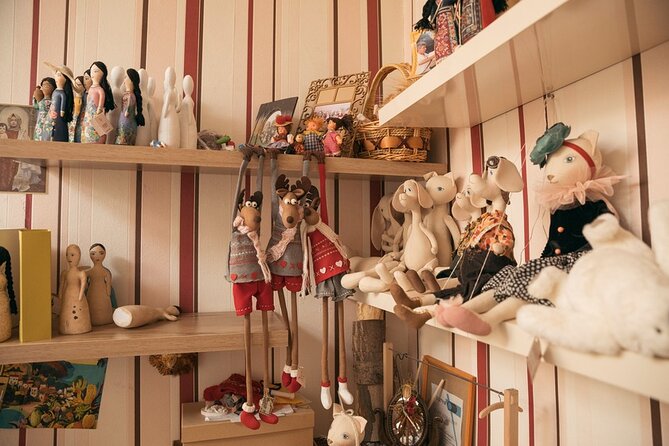
I would recommend this activity to:
- Couples who want a shared project and a keepsake from Gyumri
- Families looking for a hands-on cultural activity
- Solo visitors who enjoy meeting a local maker
- Anyone interested in Armenian clothing, ornament, or folk art
- People who prefer a calm indoor activity to a packed sightseeing schedule
- Visitors who want a souvenir with a personal story
It may be less suitable if you dislike crafts, have very little time in Gyumri, or want a broad introduction to the city rather than one focused creative session. The activity is also not presented as a walking tour, museum visit, or historical lecture. Its focus is the doll and the making process.
Most people can participate, and the activity is near public transportation. The exact level of physical effort is not described, but the plan centers on sitting, sketching, painting, and making small accessories.
Meeting point and timing in Gyumri
The class begins at Naro Dolls, Gortsaranayin Lane 44a, Gyumri 3101, Armenia. It ends at the same meeting point, so you do not need to arrange a separate end location.
The return to the starting point is useful when planning the rest of your day. You can combine the class with other time in Gyumri without wondering where the activity finishes. Since the duration is about two hours, check the start time against any meals, transport plans, or other booked activities.
A mobile ticket is accepted, and confirmation is received when you book. The class is offered in English. Free cancellation is available if you cancel at least 24 hours before the local start time. Cancellations or changes made later are not accepted for a refund.
Is Paint Your Own Traditional Doll worth booking?
I would book this if you want a small, personal connection to Armenia rather than another quick photo stop. The strongest reasons are the choice of regional taraz costumes, the private guidance from Narine, and the chance to make both the doll and its accessories yourself.
The main caution is simple: you need to like the process. This is a slow, creative workshop, and the final doll will reflect handmade work. If that sounds appealing, the $26 price offers a good mix of cultural context, instruction, and a souvenir you shaped with your own hands. If you want a packed sightseeing experience, choose something else and save this class for a trip when you can enjoy making.
FAQ
Where does the doll-painting activity take place?
It takes place at Naro Dolls, Gortsaranayin Lane 44a, Gyumri 3101, Armenia.
Where does the activity finish?
The activity ends back at the meeting point at Naro Dolls.
How long does the class last?
The class lasts approximately two hours.
How much does the experience cost?
The price is $26 per person.
Is the activity offered in English?
Yes. The activity is offered in English.
Is this a private activity?
Yes. Only your group participates.
What type of costume can I choose?
You can choose a traditional Armenian costume called taraz. The collection includes costumes from different regions of Armenia.
Do I paint a finished doll?
No. You sketch and paint the design onto a blank plush doll, then decorate it.
What accessories can I make?
You may create accessories such as belts, hats, jewelry, tools, and other custom additions.
Can I cancel for a full refund?
Yes, if you cancel at least 24 hours before the experience starts. Cancellations or changes made less than 24 hours before the start time are not accepted for a refund.
Just added in Armenia
- Wine Trip in Yerevan★ 5.0 · 3 reviews
- Private Yerevan City Tour with museums★ 5.0 · 5 reviews
- Amazing Yerevan★ 5.0 · 7 reviews
- Garni Gorge and Azat Reservoir OFF ROAD Tour & Water Sports★ 5.0 · 6 reviews
- Vayots Dzor Areni Wine Route★ 3.5 · 3 reviews
- Mountaintop Eats★ 5.0 · 7 reviews
- Private tour to Sevan, Dilijan Off-road tour & Horseback riding★ 4.5 · 5 reviews
- Tbilisi transfer with stops in Haghpat, Sanahin to or from Yerevan★ 5.0 · 5 reviews