
REVIEW · YEREVAN TO TBILISI TRANSFERS
Group Tour: Must see of Georgia in 2 days from Yerevan
Georgia packs a surprising amount into two days here: a hilltop monastery, Georgia’s first Christian capital, Tbilisi’s old streets, a rebuilt medieval fortress, and a cave monastery cut into a mountain. The second day, especially, gives you a taste of southern Georgia that most short city breaks never reach.
I like the air-conditioned transport, since this route covers a lot of ground and is not simple to manage without a car. I also like the practical package: a four-star hotel, breakfast, lunch, water, pastries, and admission tickets are included.
The trade-off is time. You get a useful first look at several major places, but Tbilisi receives only about an hour on foot, and both days are tightly arranged. You should also check your visa and re-entry requirements before booking, since some nationalities need permission for Georgia and possibly another entry visa for Armenia.
Key points at a glance
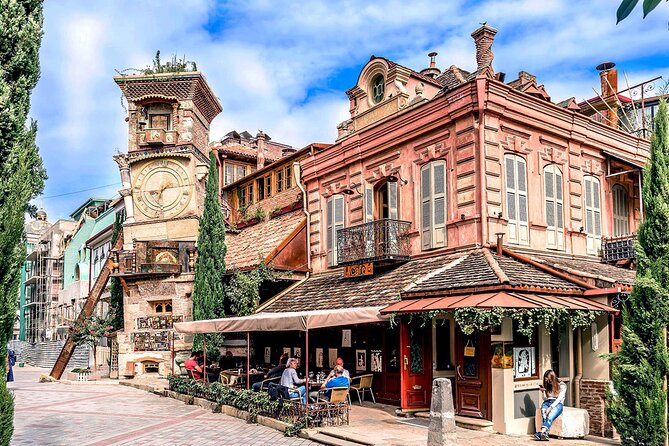
- Five major sights in two days: Visit Jvari, Mtskheta, Tbilisi, Rabati Castle, and Vardzia.
- A long cross-border route: The air-conditioned vehicle removes the need to arrange a rental car or public transport.
- One night in Tbilisi: Your four-star hotel and breakfast are included.
- Two very different days: Day one focuses on central Georgia and Tbilisi, while day two reaches the southern fortress and cave town of Vardzia.
- English and Russian guiding: The guide operates in both languages consecutively, so commentary may take longer at each stop.
- A large possible group: The tour can carry up to 49 people, and seats are not assigned in advance.
Why this route works from Yerevan
Crossing from Armenia into Georgia is easy to imagine on a map, but the sightseeing route is awkward if you do not have a car. This tour solves that problem with an organized vehicle, a guide, and a hotel night in Tbilisi.
The route is not just a transfer to the Georgian capital. You visit two major religious and historic sites near Tbilisi, then spend time in the old city. On the following day, the trip heads south to Akhaltsikhe and Vardzia, adding a fortress and a remarkable cave settlement to the mix.
At $186 per person, the price makes the most sense if you value convenience. A one-night hotel, transport for two days, guide service, breakfast, lunch, bottled water, pastries, and entrance fees are part of the package. You are paying for a packed route rather than a slow, independent visit.
I would not choose this trip if your main goal is an unhurried Tbilisi city break. I would choose it if you want to see several of Georgia’s best-known historic sights without renting a car or working out the border crossing and regional transport yourself.
More Tbilisi transfers and Georgia trips from Yerevan
- Transfer from Yerevan to Tbilisi with 2 sightseeing stops
★ 5.0 · 110 reviews - Yerevan to Tbilisi Private car transfer 3 Scenic stops
★ 5.0 · 25 reviews - Transfer Tbilisi to Yerevan with 2 sightseeing stops
★ 5.0 · 23 reviews
Day one: Jvari and the meeting of two rivers
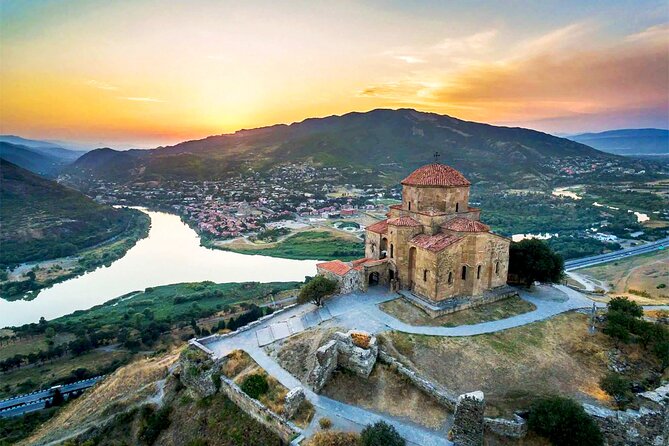
The first stop is Jvari Church, a seventh-century monastery above Mtskheta. The site is tied to Saint Nino, the Christian preacher credited with erecting a cross here. That link gives Jvari importance beyond its hilltop position: it connects the place to Georgia’s early Christian story.
You have about 40 minutes at Jvari, with no admission fee listed. That is enough for a focused visit, but not a leisurely wander. Wear shoes suited to uneven ground and dress for changing weather, since the tour operates in all conditions.
The setting is one of the reasons this stop earns its place. From the monastery area, you can look toward Mtskheta and the meeting point of the Kura and Aragvi rivers. The view helps explain why this location mattered as a religious and strategic site.
Your guide provides the historical frame, with English and Russian commentary given consecutively. If you speak English, keep in mind that bilingual guiding can make every stop feel longer in practice, even when the scheduled visit is short.
Mtskheta, Georgia’s first Christian capital
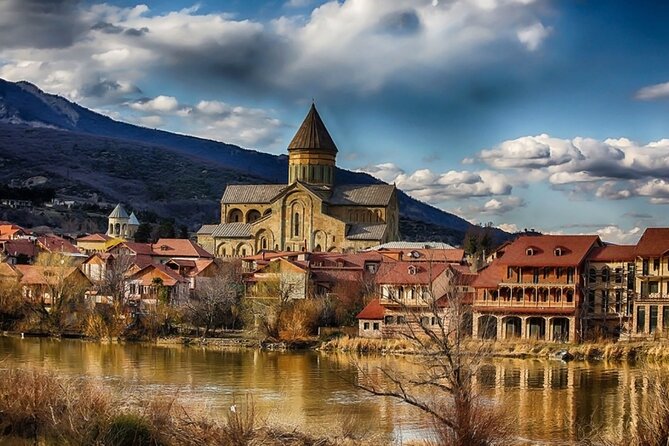
From Jvari, the route continues to Mtskheta, the first capital of Christian Georgia. The town sits where the Kura and Aragvi rivers meet, and its historic monuments are protected as a UNESCO World Heritage site.
You have about an hour here. That is enough to get a feel for the old capital and hear why it matters, though the schedule does not leave room for a slow, independent exploration of every corner.
I like the pairing of Jvari and Mtskheta. Jvari gives you the elevated view and the seventh-century monastery, while Mtskheta places you in the historic center below. Together, they make the religious and political story easier to understand than either stop would on its own.
Both Jvari and Mtskheta are listed with free admission, which means the included ticket coverage matters most later at Vardzia. The guide is especially useful here because the significance of the town is not always obvious from its streets alone.
One hour in Tbilisi’s old town
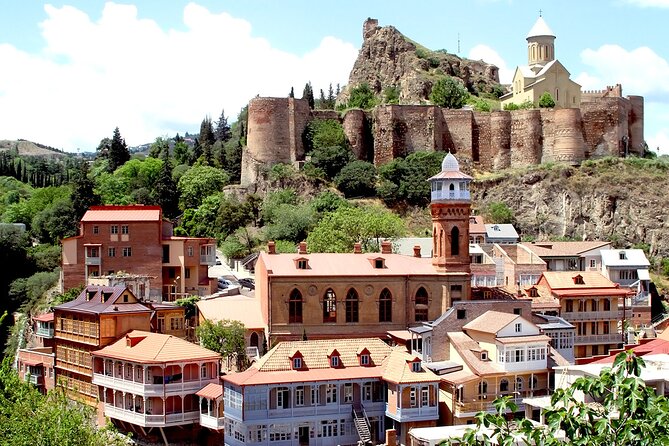
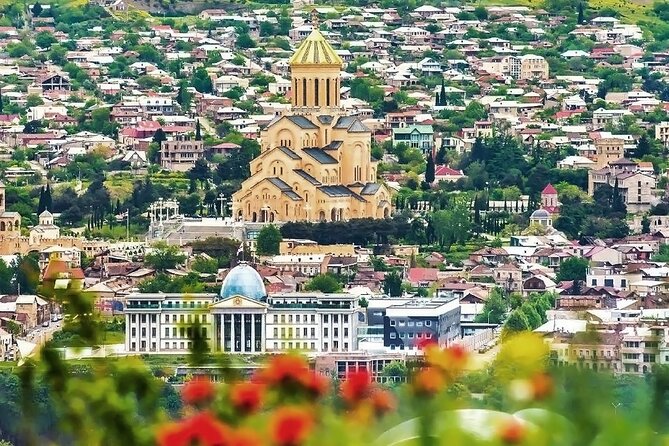
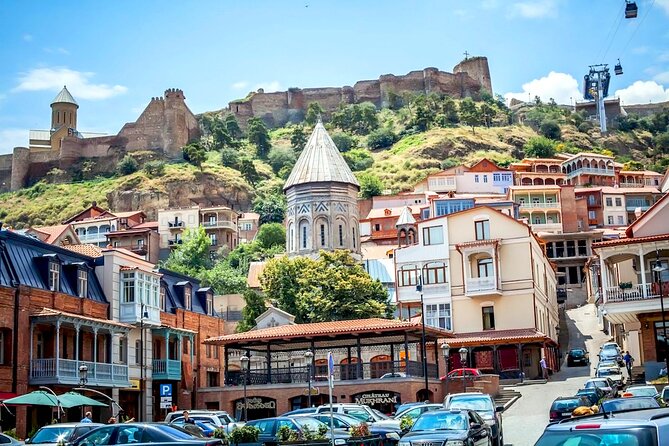
The Tbilisi portion is a walking tour through the old town, scheduled for about one hour. That is a short introduction, not a full city tour.
You should expect to see the character of the historic center and receive an overview of Tbilisi’s past from the guide. The value is orientation. After one hour, you will know whether you want to return for a longer visit, but you will not have time to cover the city at a relaxed pace.
This is the main limitation for anyone booking the trip specifically for Tbilisi. The tour gives you a quick look rather than a deep city experience. On the other hand, many short trips from Yerevan stop in Tbilisi and go no farther. This one uses the overnight stay as a base for a much wider Georgian route.
The hotel is four-star, but the exact property is not specified in the supplied details. Breakfast is included, and the trip returns to the same Yerevan meeting point after the second day.
A few more days worth the drive from Yerevan
Day two: Rabati Castle in Akhaltsikhe
The second day changes the mood completely. Rabati Castle sits beside the Potskhovi River in Akhaltsikhe, the capital of Georgia’s Samtskhe-Javakheti region.
The fortress dates back to the ninth century and was expanded in the 12th and 13th centuries under the Jaqeli dynasty. It served as a defensive site and was built high enough to be seen from across the city.
You have about an hour at Rabati. The complex includes more than the fortress itself. The area contains a history museum, an Orthodox church, a mosque, a citadel, and visitor facilities such as cafes, restaurants, hotels, and a marriage hall.
One important point is that the site underwent major renovation in 2011 and 2012. You should expect a restored historic complex rather than an untouched medieval ruin. That can make the site easier to visit, but anyone seeking a raw archaeological setting may find parts of it more polished than expected.
Rabati is a good stop for variety. After the Christian sites near Tbilisi, the fortress presents a more layered picture of southern Georgia, with religious and defensive buildings close together. Your hour will go quickly, so follow the guide’s timing and do not wander too far from the meeting point.
Vardzia, the day’s most unusual sight
Vardzia is the tour’s strongest reason to accept the long second day. This cave town was founded in the 12th century and was carved into the foothills of Mount Erusheti at about 1,300 meters above sea level.
The complex once reached 13 floors, connected by tunnels. It contained living quarters, refectories, barns, wine storage areas called marani, libraries, a water supply, and a sewerage system.
You have about 70 minutes at Vardzia, and admission is included. That is useful because this is the one stop where you will want time to look closely at the carved spaces and understand how a functioning settlement could be built into the rock.
Vardzia is also a monastery, not simply a collection of caves. It forms part of the Vardzia Historical Architectural Museum Reserve, and the surviving spaces show how religious life and daily life shared the same mountain complex.
The practical issue is the terrain. The itinerary describes Vardzia as being 100 meters above the foothills, and the site involves tunnels and carved areas. The information does not give a specific accessibility rating, so you should be prepared for uneven surfaces and walking unless the operator confirms otherwise.
The hour and ten minutes gives you a solid introduction, but not unlimited time. Listen carefully to the guide’s meeting instructions. A place with connected tunnels can make it easy to lose track of time.
What the included meals and hotel mean
The package includes one night in a four-star hotel, breakfast, lunch, bottled water, and pastries. It also lists lunch as included twice, so the supplied details indicate lunch coverage during the trip. Dinner is not included.
That arrangement keeps the tour simple during long sightseeing days. You do not need to plan every meal while moving between sites, and the water and pastries are useful on a route with several scheduled stops.
You should budget separately for dinner. The details do not name the restaurant, menu, or exact meal times, so do not book this expecting a food-focused tour. The stated aim is traditional Georgian food as part of the touring day, not a series of special culinary appointments.
The hotel category is a useful comfort marker, but it is not a guarantee of a particular location or room setup. If being in a specific part of Tbilisi matters to you, ask Hyur Service before booking.
Transport, group size, and the pace
The vehicle is air-conditioned, which is a practical benefit on a route that crosses regions and borders. Without a car, reaching Jvari, Mtskheta, Rabati, and Vardzia in this sequence would be difficult to organize in only two days.
The possible group size is up to 49 people. That can keep the price reasonable, but it also affects the feel of the trip. Boarding, border procedures, meals, and meeting at historic sites can take longer with a large group.
Seats are not known in advance. If you care about where you sit, arrive at the 8:00 a.m. meeting point at Hyur Service, 96 Nalbandyan Street in Yerevan, with enough time to check in. Hotel pickup and drop-off in Yerevan are not included, and the tour ends back at the same meeting point.
The guide may be multilingual, with English and Russian delivered consecutively. This is helpful if you speak either language, though each explanation may take more time than a single-language tour.
The duration is approximate. That matters on an international route where border procedures, traffic, weather, and group movement can affect the schedule. Keep your plans after returning to Yerevan flexible.
Who should book this two-day Georgia tour
I would recommend it to you if you:
- Have limited time in the South Caucasus
- Are staying in Yerevan and want to add Georgia without renting a car
- Prefer a planned route with transport, guide service, and hotel included
- Want historic sites beyond central Tbilisi
- Are comfortable with early starts, fixed stops, and a large possible group
- Like seeing a wide range of places more than spending a full day in one town
I would think twice if you want long meals, slow photography, independent museum visits, or a detailed exploration of Tbilisi. The tour is designed for coverage. You see a lot, but each stop has a firm time limit.
Children must be accompanied by an adult, and most people can participate. Because the tour operates in all weather, pack clothing suited to changing conditions rather than assuming both days will be mild.
Border and booking details you should not skip
Confirmation is provided at booking, and mobile tickets are supported. Free cancellation is available if you cancel at least 24 hours before the experience begins. Changes or cancellations made inside that window are not accepted for a refund.
The visa warning deserves real attention. Residents of some countries may need a visa in advance for Georgia and may also need another entry visa to return to Armenia. Check your own nationality with the tour office before paying, since the tour provider specifically advises doing so.
The meeting point is in central Yerevan, and hotel pickup is not included. Public transport is nearby, but you are responsible for reaching the start point by 8:00 a.m.
Should you book it?
Book this tour if you want a high-value regional sampler rather than a relaxed city holiday. For $186, the combination of transport, guide, one hotel night, meals, water, pastries, and included admission makes the price reasonable for a two-day cross-border route.
The best feature is the range. You move from Jvari and Mtskheta to Tbilisi, then on to Rabati Castle and the extraordinary cave complex of Vardzia. The main cost is time: short visits, a possible 49-person group, bilingual commentary, and a demanding schedule.
If you accept those limits, this is a sensible way to add Georgia to an Armenia trip. Check your visas first, arrive at the Yerevan meeting point early, and choose it for variety and convenience rather than for leisurely time in Tbilisi.
FAQ
How long is the tour?
The experience lasts approximately two days and includes one overnight stay in Tbilisi.
Where does the tour begin?
It begins at Hyur Service, 96 Nalbandyan Street, Yerevan 0010, Armenia.
What time does the tour start?
The scheduled start time is 8:00 a.m.
Does the tour include hotel pickup in Yerevan?
No. Hotel pickup and drop-off in Yerevan are not included. The tour begins and ends at the stated meeting point.
Where does the tour end?
It ends back at the meeting point in Yerevan.
Is accommodation included?
Yes. One night in a four-star hotel is included, along with breakfast.
Are meals included?
Breakfast and lunch are included. Dinner is not included. Bottled water and pastries are also provided.
Which languages does the guide speak?
The professional guide provides English and Russian commentary consecutively. The tour may be operated by a multilingual guide.
Are entrance tickets included?
Admission tickets and the air-conditioned vehicle are included. The itinerary lists Vardzia admission as included and shows no admission fee for Jvari and Mtskheta.
Do I need a visa for Georgia?
Some nationalities may need to apply for a Georgian visa in advance, and some may also need another entry visa to return to Armenia. Check with the tour office before booking.
Just added in Yerevan
- Amberd (Saghmosavank,Armenian alphbet monument)★ 5.0 · 5 reviews
- Garni Temple and Geghard Monastery – private tour from Yerevan – 4 hours★ 5.0 · 8 reviews
- Day trip to Sevan, Tsaghkadzor, Fish Making Masterclass★ 5.0 · 8 reviews
- Khor Virap, Echmiadzin Cathedral and Zvartnots Private Tour★ 5.0 · 9 reviews
- 6 days in Armenia: Garni, Tatev, Echmiadzin, Sanahin, Haghpat★ 5.0 · 12 reviews
- Garni,Geghard, Khor Virap Private Tour with Mt. Ararat Views★ 4.5 · 12 reviews
- Private tour: Tsaghkadzor, Sevan lake, Dilijan town and Haghartsin monastery★ 5.0 · 10 reviews
- Dilijan (Haghartsin Monastery),Lake Sevan,Tsakhkadzor(ski resort)★ 5.0 · 13 reviews
Yerevan to Tbilisi Transfers, compared.
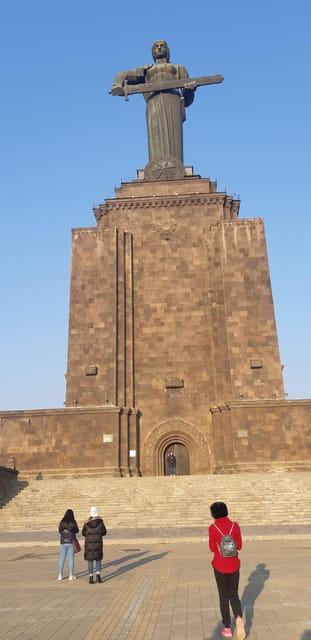
Armenia. Akhpat, Dilijan, Sevan, cascad Yerevan from Tbilisi
Read our review →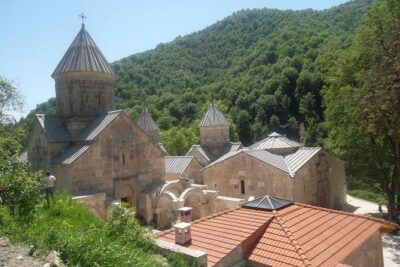
Transfer from Yerevan to Tbilisi with 2 sightseeing stops
Read our review →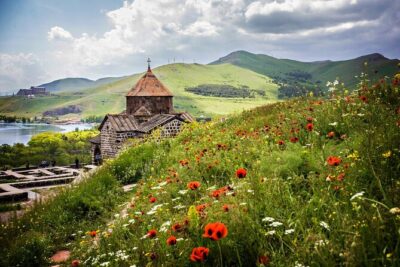
Yerevan to Tbilisi Private car transfer 3 Scenic stops
Read our review →
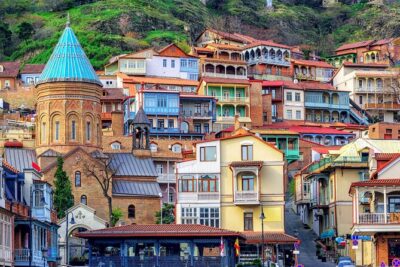
Join in group tour-transfer from Yerevan to Tbilisi or vice versa
Read our review →
Private Transfer & Tour from Tbilisi to Yerevan or Yerevan to Tbilisi
Read our review →
Browse the lists this tour appears in