
REVIEW · PHOTOGRAPHY SESSIONS
Urbex photo tour in Armenia
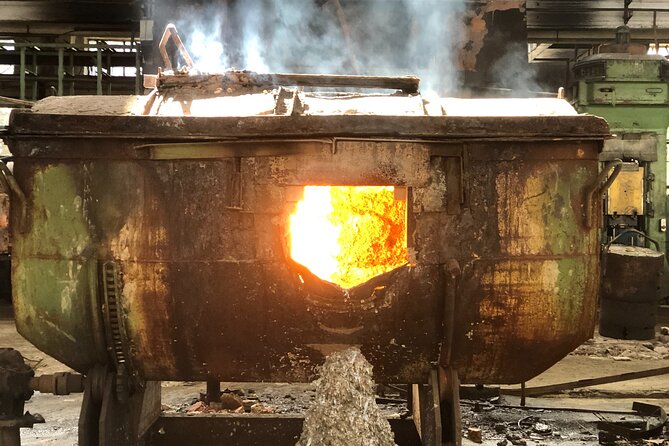
Armenia is a superb match for photographers who want more than polished sights. This tour pairs secret abandoned factories, hospitals, sanatoriums, and Soviet camps with monasteries, mountain roads, village meals, and some of the country’s best-known landmarks. You are not simply moving from church to church. You are looking at how Armenia’s older and more recent past sit side by side.
I like two things right away. First, the small maximum of 10 people gives an Urbex group a fair chance to work without a crowd in every frame. Second, guide Nvard brings strong knowledge of Armenian history, excellent English, patience, and a light touch of humor. The main caution is the pace: long drives and many stops make this a busy week, and the exact abandoned sites remain secret until the visit.
What makes this Armenia photo tour different
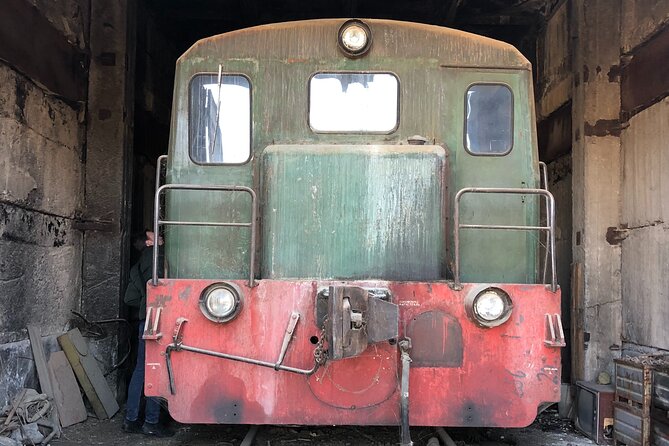
- Secret Urbex locations: Photograph abandoned factories and other Soviet-era sites, with exact locations withheld to help protect them.
- Armenia beyond Yerevan: Travel through Vayots Dzor, Lori, Gegharkunik, Aragatsotn, and the Ararat plain.
- A strong mix of subjects: Churches, monasteries, a pagan temple, a caravanserai, Soviet heritage, food, and dramatic mountain views all share the schedule.
- Small-group format: The tour accepts no more than 10 people, a useful size for a photography trip.
- Meals and lodging included: Three-star hotel stays, six breakfasts, six lunches, and six dinners are covered.
- A guide who adds context: Nvard explains the country and the places you photograph, rather than leaving you to guess what you are seeing.
Seven days, with Armenia as the photo subject
The advertised duration is about seven days, although the sightseeing schedule is described as six touring days after arrival. Day one is mainly airport pickup and hotel transfer, while day seven returns you to Yerevan after Garni and Geghard.
That distinction matters. You should expect a full week away, but confirm the exact overnight plan and departure timing before booking. The package includes an air-conditioned vehicle, which is important here. Armenia’s roads connect far-flung sights, and this is not a compact city tour.
The price is listed at $2,301.32 per person. That is a serious sum, but it covers much more than guided admission. Hotel accommodation, the vehicle, six breakfasts, six lunches, six dinners, airport pickup, and a private-style small-group program are included. You are also paying for access to carefully selected Urbex locations and for the work involved in arranging a route across several regions.
The value depends on how much you want organized. Independent visitors can spend less on Armenia, but arranging transport to remote sites, finding legitimate abandoned locations, booking several nights, and coordinating meals takes time. This package makes the most sense for photographers who want the access and planning handled for them.
A few more days worth the drive from Yerevan
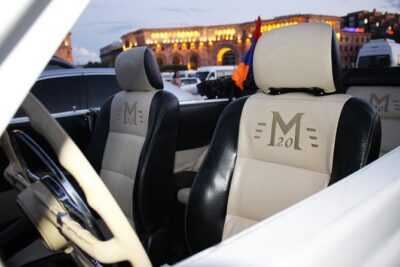
- Yerevan city tour with drinks in a classic car with photography
★ 5.0 · 41 reviews - Retro KGB Tour: A Volga 21 Adventure in Yerevan’s Soviet Past with photography
★ 5.0 · 29 reviews - Photo tour in Yerevan
★ 5.0 · 6 reviews
Day one: a soft landing in Yerevan
You meet at Zvartnots International Airport at 9:00 a.m. and transfer to your hotel in Yerevan. The first day is intentionally light, with about an hour and a half listed for the arrival program.
Dinner on the first evening is optional and not included. That gives you freedom, but it also means you should budget for this meal separately. After a flight, the easy choice is to rest, get your bearings, and save your camera energy for the next morning.
The tour is designed as a first visit to Armenia, so Yerevan works mainly as a starting point rather than the central subject. The strongest photography begins once you leave the capital.
Day two: Ararat, Noravank, and the first abandoned site
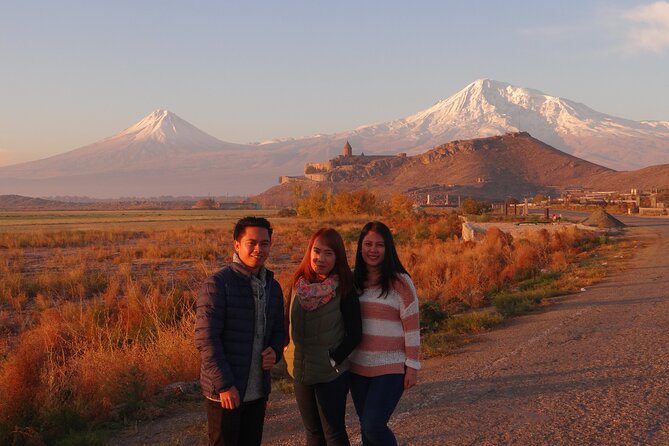
The road to Khor Virap takes about an hour. The monastery sits in the Ararat plain near the Turkish border, with views toward Mount Ararat when conditions cooperate. The mountain is a major Armenian symbol, and this is one of the clearest places on the route to understand its emotional importance.
Khor Virap is also tied to Saint Gregory the Illuminator, who is said to have been imprisoned in a pit here for 13 years before helping convert King Tiridates III to Christianity. You have about 45 minutes at the complex. That is enough for the main views and monastery photographs, but not for a slow, detailed study of every corner.
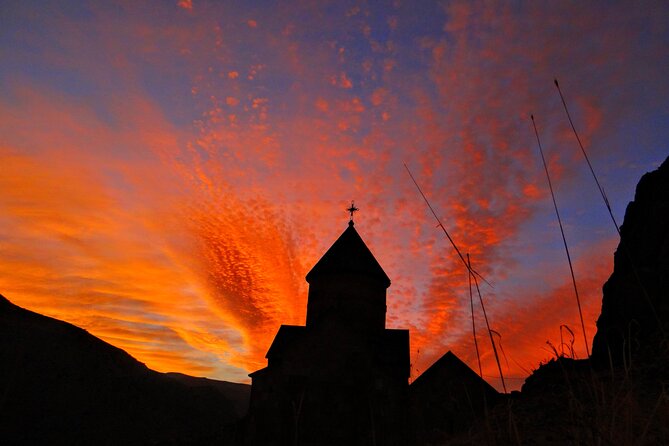
Noravank comes next. The 13th-century monastery sits in a narrow gorge in Vayots Dzor, where the reddish rock walls frame the carved stone buildings. The architecture is the star here, especially the exterior decoration and relief work associated with the Orbelian period.
The planned visit lasts about 45 minutes. That is a short window, so keep your equipment ready and avoid losing time to a full unpacking of your camera bag.
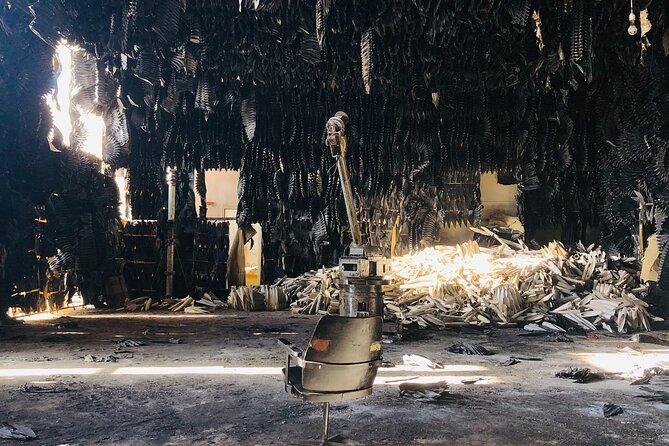
Lunch takes place in Yeghegnadzor at a gastro yard, with wine tasting included in the day’s description. Afterward, you visit an abandoned factory for photography. The exact site is not announced in advance. That secrecy is part of the Urbex approach, helping reduce unwanted attention and protect fragile places from damage.
This is a good first Urbex session because it follows a day of major religious sights. You get the polished, preserved Armenia of Khor Virap and Noravank, then shift to a building where decay, machinery, empty rooms, and broken surfaces tell a different story. The listed time for the Yeghegnadzor portion is about three hours, including lunch and photography, so expect a focused visit rather than unlimited wandering.
Day three: a Silk Road stop and Lake Sevan
The Orbelian Caravanserai at Vardenyats Pass is one of the route’s most distinctive historical stops. Built in the 14th century by the Orbelian princes, it served traders and animals crossing the Silk Road. Its rectangular courtyard, small rooms, chapel, and well help you picture the practical side of medieval travel.
You have about 30 minutes here. Bring a wide lens if you use one, since the enclosed courtyard and stone rooms are the main subjects. The short visit is enough for a strong set of frames, but not a long architectural study.
The road continues to Sevanavank on the shore of Lake Sevan. The monastery dates from the ninth century and includes two churches, a courtyard, and khachkars, the carved Armenian cross-stones found throughout the country. Its hilltop position gives you broad views across the lake.
The stop lasts about 45 minutes. Lake Sevan is one of the visual changes that makes this tour work: after the dry valleys of Vayots Dzor, you get open water, high-altitude scenery, dark stone, and a different sense of space.
Before Haghpat, the group visits another undisclosed Urbex site for about 45 minutes. The schedule then leads to Haghpat village and monastery, where you spend the night and have dinner.
Haghpat is a medieval monastic complex in Lori Province, built between the 10th and 13th centuries. Its main church, bell tower, library, chapels, carvings, and stone construction earned it UNESCO World Heritage status. You should expect the day to feel long. The combination of road time, Sevanavank, an Urbex location, and Haghpat is rewarding, but it leaves little spare time.
Overnighting in the village is a plus. It keeps you near the next morning’s sights and gives the tour a more local rhythm than returning to a city hotel every night.
More Tours in Armenia
- Group Tour: Garni, Symphony of Stones, Geghard, Lavash Baking
★ 5.0 · 1,042 reviews - Group Tour: Lake Sevan (Sevanavank), Dilijan (Goshavank, Haghartsin)
★ 5.0 · 1,036 reviews - Group tour: Khor Virap, Noravank, Areni Winery and Cave
★ 5.0 · 651 reviews - Yerevan: Garni, Geghard, Symphony of Stones & Lavash Baking
★ 5.0 · 589 reviews
Day four: Sanahin and the Mikoyan brothers
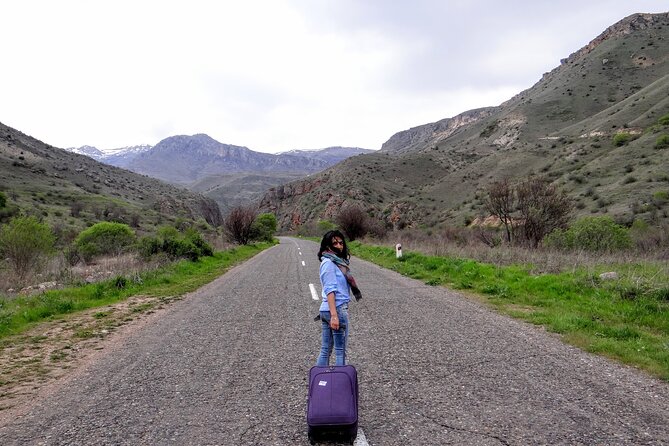
Sanahin Monastery is another medieval complex in Lori Province and a UNESCO World Heritage site. Founded in the 10th century, it became a center of learning and culture. Its churches, chapels, meeting hall, and local tuff stone create plenty of close-up subjects for photographers interested in texture and construction.
The visit is planned for about 45 minutes. As with Haghpat, the value comes from the setting and the details, not just checking off another church. Look for the relationship between the heavy stone buildings, carved surfaces, and surrounding hills.
The Mikoyan Brothers Museum follows. Located in Sanahin village, it presents the lives of Anastas Mikoyan, a major Soviet politician, and Artem Mikoyan, an aircraft designer and co-founder of the Mikoyan aircraft design bureau. Exhibits include photographs, documents, and personal items.
Four hours are allocated to this stop, making it one of the longest visits of the week. That is welcome if Soviet history interests you, but it may feel slow if your only goal is Urbex photography. The museum adds useful political and aviation context to the later Soviet locations in Vanadzor.
Day five: Vanadzor and Soviet pioneer camps
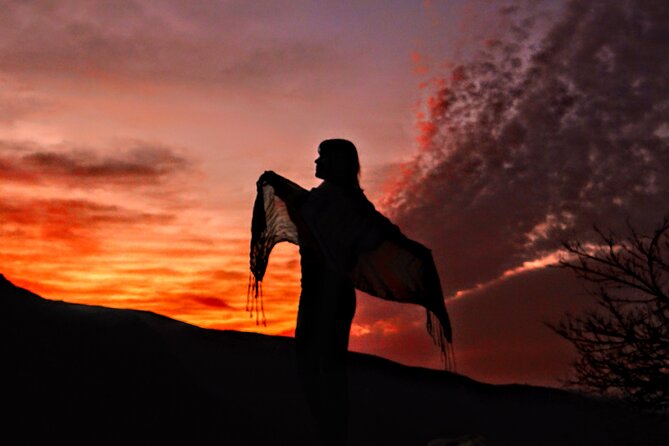
Vanadzor is Armenia’s third-largest city and a major stop for anyone interested in Soviet-era places. The city sits beside the Pambak River and is surrounded by the Lesser Caucasus Mountains. The itinerary allows about three hours in Vanadzor before a separate two-hour photo visit to Soviet pioneer camps.
Pioneer camps were summer facilities for children aged 9 to 15 across the former Soviet Union. They combined sports, arts, camping, education, and state-sponsored lessons about socialist values. In abandoned form, such places can offer a different kind of Urbex subject: dormitories, activity spaces, institutional layouts, and traces of a system built for organized childhood.
The schedule does not promise a particular building or condition, so keep expectations flexible. Abandoned sites change. Access, safety, weather, and the state of the structures can all affect what you photograph. The benefit of a guided visit is that the group can focus on the site rather than spending the day trying to locate it.
This is likely the most concentrated Soviet heritage day. It also gives the tour a welcome break from monasteries and formal monuments. If you want only ancient architecture, this portion may be less appealing. If you want to understand Armenia’s 20th-century past, it is essential.
Day six: high mountain ruins at Amberd
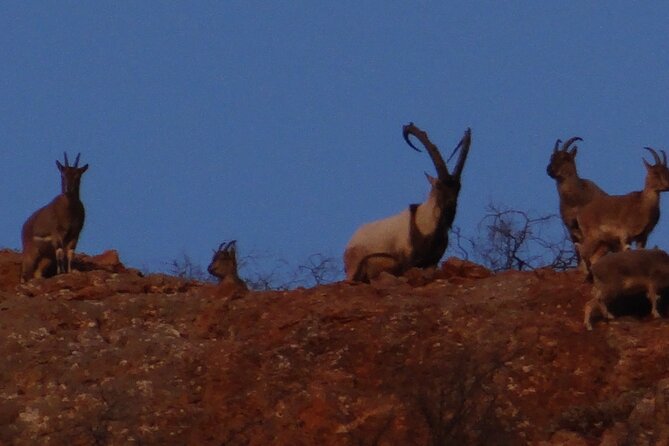
Amberd Fortress sits at about 2,300 meters in Aragatsotn Province. The fortress began in the seventh century and was rebuilt and expanded over time. It served as a military stronghold during invasions and includes an 11th-century church.
You have about 45 minutes at the site. The high setting gives you mountain views and a strong sense of exposure. Weather can shape the visit, so pack for changing conditions even if Yerevan is warm.
Tegher Monastery follows, also for about 45 minutes. The hilltop complex dates from the 13th century and includes a church, chapel, and khachkars. Parts of the monastery have suffered damage, but several structures remain well preserved.
This day is less about Urbex and more about old stone, altitude, and open views. It gives your photo collection a different look from the enclosed factories and Soviet camps. The contrast is useful: Armenia’s past is not one single story, and this route lets you photograph military, religious, industrial, and social spaces.
Day seven: pagan Armenia, carved rock, and the Symphony of the Stones
Garni Temple is the most visible reminder of pre-Christian Armenia on this route. The pagan temple was later used as a royal summer residence, and its classical columns make it unlike the medieval churches elsewhere on the schedule.
The visit lasts about 45 minutes. You then go to the Garni Gorge, where basalt columns form the natural feature called the Symphony of the Stones. The columns resemble the pipes of a giant organ, and the site is included for another 30-minute visit.
Geghard Monastery completes the tour. This UNESCO-listed complex includes churches built into caves and spaces cut from the surrounding rock. It is a fitting final stop because it combines architecture, geology, faith, and dramatic interior spaces.
After Geghard, you are transferred back to Yerevan. The day includes three separate stops, so you should keep your camera accessible and expect a full final day rather than a quiet morning before departure.
Food, hotels, and what is covered
Three-star accommodation is included according to the route. The plan also includes six breakfasts, six lunches, and six dinners, with the first evening’s dinner excluded. Meals are part of the practical value here, since the route passes through villages and remote areas where arranging food independently could slow the group.
The itinerary names a gastro yard and wine tasting in Yeghegnadzor, a village overnight near Haghpat, and dinners connected to the touring days. The exact hotel names and meal menus are not provided, so ask before booking if room arrangements or dietary needs matter to you.
You should advise the operator about dietary requirements at booking. Service animals are allowed, and the activity states that most people can participate. Still, the long drives, monastery steps, uneven ground, and abandoned structures mean you should judge your own comfort carefully.
Who should book this tour?
This is best for photographers who want access, structure, and context. You should be comfortable spending long periods in a vehicle, carrying camera equipment over uneven surfaces, and moving on when the schedule calls for it.
It also suits a first visit to Armenia. You get Yerevan, Mount Ararat, Lake Sevan, UNESCO sites, Garni, Geghard, food, wine, and several parts of the country without having to build the route yourself.
The tour is less suitable if you want a slow monastery holiday, a luxury hotel experience, or complete control over each photography session. The schedule is fixed, and several stops last less than an hour. The Urbex locations are secret, which protects them but gives you less ability to research each site in advance.
The strongest praise belongs to the organization, the quality of the abandoned locations, and Nvard’s guiding. That combination matters. Urbex is not just about finding an empty building. You need safe access, a sensible route, historical background, and enough time to make photographs without rushing through every room.
Should you book it?
Book this tour if you want Armenia’s abandoned Soviet places mixed with its ancient monuments, and if you value having transport, meals, hotels, and location planning handled for you. The small group and Nvard’s guidance add real value, especially for a first visit.
Think twice if $2,301.32 feels high for a seven-day trip or if you need long, unstructured photo sessions. Before paying, confirm the exact number of touring days, hotel arrangements, the physical demands at Urbex sites, and what camera time is planned at each location. The cancellation terms are strict: the experience is non-refundable and cannot be changed after booking, except that a full refund may be offered if the minimum group size is not reached.
FAQ
Where does the tour begin?
The tour begins at Zvartnots International Airport in Yerevan, Armenia.
What time is the meeting?
The stated start time is 9:00 a.m.
How long does the experience last?
The experience is advertised as approximately seven days. The sightseeing plan runs from day one through day seven, with the first day focused on airport pickup and the final day returning you to Yerevan.
How large is the group?
The tour has a maximum of 10 people.
Is airport pickup included?
Yes. Airport pickup and transfer to the hotel are included on the first day.
Are meals included?
Yes. Six breakfasts, six lunches, and six dinners are included. Dinner on the first evening is not included.
Is accommodation included?
Yes. Accommodation is included according to the itinerary, with three-star hotel lodging described for the tour.
Are the Urbex locations announced in advance?
No. The exact locations are kept secret as part of the Urbex approach, intended to help preserve the sites.
Which major sights are included?
The route includes Khor Virap, Noravank, the Orbelian Caravanserai, Sevanavank, Haghpat, Sanahin, Amberd Fortress, Tegher Monastery, Garni Temple, Geghard, and the Garni Gorge.
Is the tour refundable?
No. The experience is non-refundable and cannot be changed for any reason. If the operator cancels because the minimum number of participants is not reached, you may be offered another date or experience, or a full refund.
Just added in Yerevan
- Wine Trip in Yerevan★ 5.0 · 3 reviews
- Private Yerevan City Tour with museums★ 5.0 · 5 reviews
- Amazing Yerevan★ 5.0 · 7 reviews
- Garni Gorge and Azat Reservoir OFF ROAD Tour & Water Sports★ 5.0 · 6 reviews
- Vayots Dzor Areni Wine Route★ 3.5 · 3 reviews
- Mountaintop Eats★ 5.0 · 7 reviews
- Private tour to Sevan, Dilijan Off-road tour & Horseback riding★ 4.5 · 5 reviews
- Tbilisi transfer with stops in Haghpat, Sanahin to or from Yerevan★ 5.0 · 5 reviews
Photography Sessions, compared.
Yerevan city tour with drinks in a classic car with photography
Read our review →
Retro KGB Tour: A Volga 21 Adventure in Yerevan’s Soviet Past with photography
Read our review →


Browse the lists this tour appears in